

Nurdu
Updated: Mar 9

Summary
Nurdu is an Igigi elder and former tunnelling foreman who becomes teacher, protest leader, field strategist, and moral voice for Igigi and Ascended humans. He speaks for Igigi in the Assembly, validates Enlil’s final act, and formally recognises humanity’s right to join the Assembly.
Overview
Nurdu is one of the oldest and most respected Igigi in the series. During the early Earth mission he leads work crews in Ley Line shafts and Subterranean Crystalline Caverns. He knows the names, injuries, and habits of the Igigi under his care, and he presses superiors for safer procedures as losses increase.
When Igigi revolt against Enlil’s administration, Nurdu stands at the front of marches and stoppages. He calls for recognition of Igigi status as Anunnaki rather than expendable machinery. After the Alulim–Marduk duel and the end of Igigi frontline labour, Nurdu maintains Igigi cohesion through mourning practices and memory recitation.
In the modern conflict around Mount Rainier he trains Ascended in underground combat, tunnel shaping, and disciplined use of the Quantum Field near Ley Lines. During the final events he announces Enlil’s self‑sacrifice as genuine fulfilment of “Honor and Sacrifice” and asks humanity whether they accept Assembly membership, effectively sponsoring their admission.
Details
Status and roles
Senior Igigi elder.
Former mining and Ley Line work leader under Anunnaki oversight.
Key organiser during Igigi protests and the later open revolt.
Cultural custodian for Igigi remembrance rites and work songs.
Trainer of Ascended in tunnel warfare and Field‑safe excavation.
De facto spokesperson for Igigi in late Assembly and post‑war decisions.
Abilities
Practical Field literacy underground
High sensitivity to Ley Line pulses and instability through stone contact and experience.
Accurate assessment of where support ribs, floors, and ceilings will fail under stress.
Leadership and morale management
Calms crews under imminent collapse or Field discharge.
Shares food, songs, and stories to maintain cohesion during long shifts.
Issues clear instructions during emergencies that reduce panic.
Tactical and instructional skill
Designs and critiques tunnel traps that draw enemy strikes into stone rather than into bodies.
Demonstrates how small Field adjustments in rock change collapse patterns.
Evaluates human training runs and blocks unsafe attempts before they kill trainees.
Moral authority
Names the dead so they are not forgotten and insists on spoken remembrance.
Calls out misuse of “Honor and Sacrifice” when Higher Anunnaki push losses downward.
Validates Enlil’s final act, preventing it from being written off as mere tactic.
Personality
Calm under pressure and resistant to theatrical displays.
Speaks plainly, often in few words, and expects others to listen.
Persistent on issues of safety and dignity, especially for those in dangerous work.
Forgives slowly, but once convinced of change, adjusts his stance rather than locking into grievance.
Shows respect toward Ascended who accept risk and responsibility, regardless of origin.
Relationships
Enlil
Initially subject to his commands as Igigi foreman.
Later becomes a sharp critic when Enlil continues to impose lethal work without adequate reform.
In the end recognises Enlil’s entry into the Field fracture as genuine Sacrifice and says so publicly.
Enki
Shares concern over Igigi casualties and co‑develops safety requests and proposals.
Collaborates during human design phase through input on what conditions new workers must survive.
In the modern war, aligns strongly toward Enki’s atonement agenda and human admission.
Alulim and Igigi workers
Supports Alulim’s authority among Igigi, and then maintains morale after Alulim’s death.
Knows each worker’s strengths and weaknesses; many refer to him as “Old Stone” behind his back.
Leads work stoppages and funeral songs that keep Igigi identity intact through hardship.
Ascended and humans
Initially assesses them as untested but quickly adjusts after seeing both their courage and their mistakes.
Trains them rigorously, correcting errors bluntly but without contempt.
Serves as primary Igigi liaison to human command teams in tunnels.
History
Early work under Anunnaki command
During the first exploitation phase on Earth:
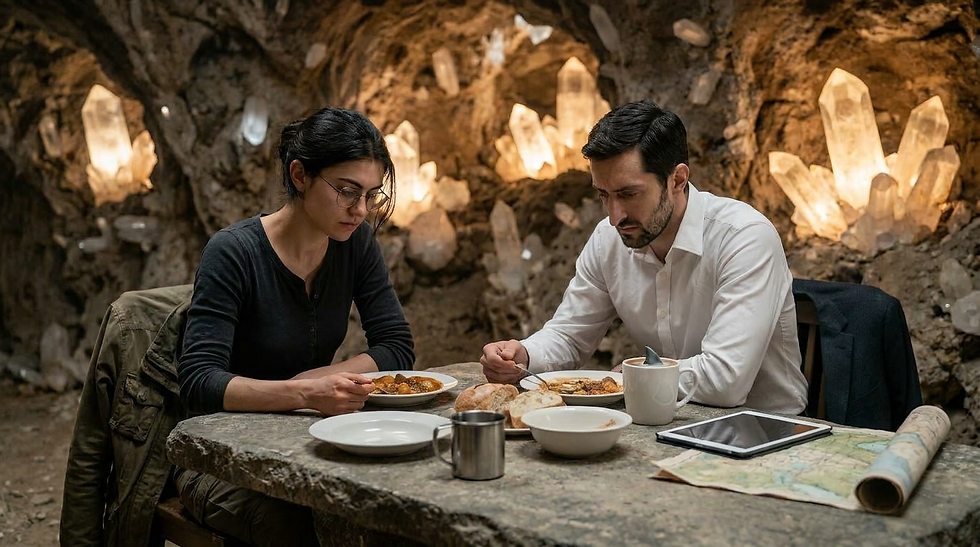
Nurdu runs Igigi crews in Ley Line shafts and Subterranean Crystalline Caverns.
He monitors every face, checks harnesses, and directs evacuations when rock shifts or Field surges erupt.
He advocates for thicker supports, better tools, and more rest, submitting requests through Enki and other sympathetic lords.
Despite some improvements, accident rates remain high. Nurdu keeps a tally of dead and injured and recites their names so no one reduces them to numbers.
Igigi protests and revolt
As casualties accumulate:
Nurdu voices growing dissatisfaction having Enlil’s administration, pointing out the imbalance between risk and reward.
He signals the first coordinated work stoppage, instructing Igigi to lay down tools and stand silent at Enlil’s walls.
He participates in marches where Igigi chant that they are Anunnaki, not replaceable mechanisms.
When peaceful measures fail:
He supports Alulim’s decision to escalate toward open revolt.
He still emphasises discipline during the siege, keeping riots from turning into uncontrolled slaughter.
During the Alulim–Marduk duel aftermath:
Nurdu stands among Igigi when Alulim falls and Marduk inherits the Tablet.
He leads Igigi in naming their dead, ending on Alulim’s name, then moves into a low humming ritual that honours those who cannot return.
He accepts the end of Igigi frontline duties but refuses to allow their history to vanish.
Transition to human era
After human workers replace Igigi in many dangerous roles:
Nurdu shifts from frontline supervision to cultural and advisory duties.
He observes human performance in tunnels and notes both resilience and design flaws.
He recognises that Assembly choices, not human nature alone, cause many of the new species’ problems.
He carries these observations forward into later debates once Anunnaki return from the Womb.
Modern war and training
When Enlil forces Anunnaki awakening and calls for human culling:
Nurdu sides together Enki and Damkina, opposing repeated use of mass sacrifice against created species.
He acts as principal Igigi representative in meetings that include Ascended and Lesser Anunnaki.
He urges caution around Ley Lines, reminding all parties that overuse can break the planet’s “bones” in technical, not poetic, terms.
In the Mount Rainier conflict:
He designs drill programs for Ascended that include shield‑holding under random strikes, controlled collapse drills, and safe triggering of rockfalls behind moving units.
He stops a trainee from collapsing a full section of tunnel on their own side and uses the failure as teaching example.
He deploys Igigi to guard key junctions where human and Lesser Anunnaki lines meet.
Final Assembly and human admission
After Enlil and Enki’s duel and Enlil’s entry into the Field fracture:
Nurdu reads the Field response and validates that Enlil’s act stabilises the fracture and removes his personal claim to rulership.
He states in front of both sides that this act realises the creed “Honor and Sacrifice” at the highest level.
He turns to Evadine and the Ascended and issues the formal question whether humanity accepts Assembly membership.
When Evadine answers in the affirmative:
Nurdu acknowledges the response and declares that, from Igigi perspective, humans have earned the right to sit in the Assembly.
His declaration carries strong weight among Igigi and influences hesitant Lesser Anunnaki.
Notes
Nurdu functions as the main Igigi lens on both Anunnaki decisions and human actions; through him the narrative shows consequences of policies at worker level.
His refusal to allow the dead to become anonymous underpins resistance to cold utilitarian arguments about “necessary losses”.
In training scenes he combines strictness and care: he allows pain and failure when they teach, but intervenes before those failures become irrecoverable.
His confirmation of Enlil’s final Sacrifice prevents that event from being co‑opted by either faction as propaganda and anchors it in shared moral language.
Citations
Codex entry Nurdu (in‑setting character profile).
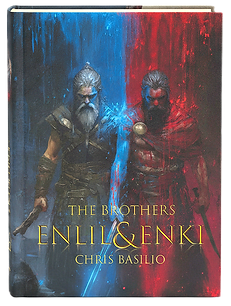
The Brothers: Enlil & Enki, especially:
Igigi labour and rebellion chapters under “What Comes Between” and “Never A Beautifully Written Poem” (Nurdu’s leadership, work habits, and role in protests).
Alulim–Marduk duel aftermath (Nurdu’s mourning rites and naming of the dead).
Training and battle chapters in “Collision Course” and “Love & War” (tunnel drills, corrective interventions, tactical advice).
Final Assembly and Field fracture resolution in “Honor & Sacrifice” (Nurdu’s recognition of Enlil’s act and question to humanity).


Comments