

Assembly of the Fallen: Nergal
Updated: Mar 9
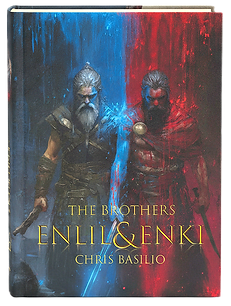
Assembly of the Fallen is part of a mythic retelling of the Anunnaki civil wars and the beings who shaped human history.
When Enlil sent me to the front, I was eager and I was at peace with it. I even believed it was my Honor and Sacrifice to fall in battle, meant to be one of the names sung in the Field like a ballad. I was in the first wave. Generals spoke about us as if we had already passed away. And I believed them.
Before we marched, I made my peace with not returning. I put my life in order in the way only soldiers do, not with tenderness, but with preparation. I left small keepsakes in careful places for my loved ones to find. I stashed farewell notes on things I had no courage to say in better times. Not living long enough to be embarrassed by them helped the words flow freely.
I thought of my brother.
I did not write to him. Not really. Pride was a strange armor. It was harder to remove than a vorpal breastplate. We hadn’t spoken since the Assembly fractured. He had gone to Enki. I had stayed with Enlil. And I told myself that what was between us was just… distance. Just time. Something we would mend like jerks when the war was over.
Then I flew into the Battlefield.
It was furious. My divinity ran hot and sharp. Endless sonic blasts kept us from resting and nourishment and I stunk as badly as the male soldiers around me. Around me, warlords shouted for honor and sacrifice and it felt like the Field trembled with every forbidden use just to get an edge over the enemy. We pushed, we held, we pushed again. We called it strategy. We called it righteous.
At the eastern junction, everything narrowed.
Not to a cause. Not to a banner. To a single moment.
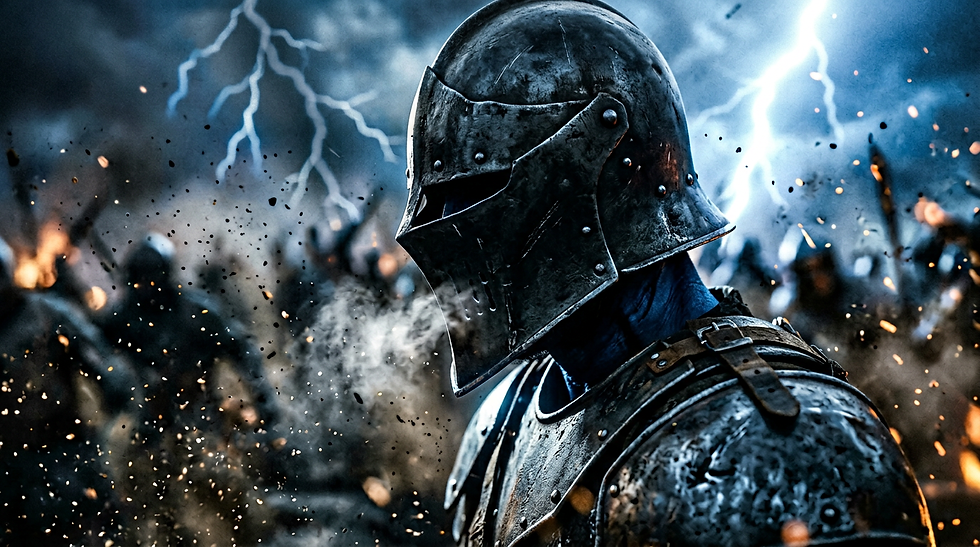
An enemy defender came into view. The soldier was helmeted and moved through the terrain with confidence. There was only the muscle memory of training: target, strike, survive.
I unleashed lightning.
It hit true. Clean. Final.
And what I felt wasn’t victory. It was absence, like a note cut off mid-song. A sudden, impossible quiet in the part of the Field where once there was oneness.
For a heartbeat, I denied it. That’s what we were trained to do. We deny what we can’t afford to carry. I told myself it was only another enemy. Only another extinguished spark among thousands.
When both sides paused to collect their dead comrades, I settled beside a crystal that gave me both cover and a place to rest my weary shoulders.
It was at this moment of solitude that I broke down in tears. I realized a piece of me was no more.
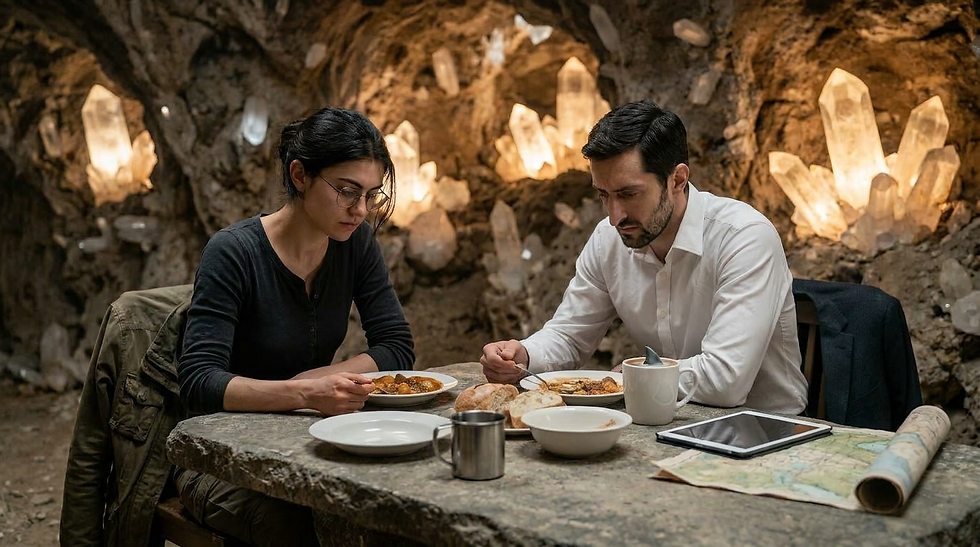
And in a chamber deep beneath this world, my enemies... no, my kin, began to mourn.
They called it a ritual, but it was more than that. It was remembrance. Name after name, story after story, grief made visible and real again in projections in the air.
I did not have the strength to grieve alone.
I entered that sanctuary vibrating peace that I did not deserve. My thunder was muted out of respect, but my insides were roaring. I came to speak a name of my own fallen, to stand tall, to do what warlords do and call it composure.
But as the names were exchanged, as the Field shimmered with memory, something in me cracked again.
Because I felt it—suddenly, unmistakably.
The divinity I had struck down at the eastern junction wasn’t foreign. It was mine.
When they said his name—when I said it, it came out of me like a wound finally opening. My knees nearly gave out.
Nergal.
My brother.
I saw him then, not as a defender, not as an opposing force. I saw him the way I used to see him: eyes built for laughter, hands that could shape wind into play, a boy who taught me to ride storm fronts as if the clouds were a horses and we were fearless.
I realized the last thing I ever gave him was lightning.
Something broke inside me so completely that I knew it would never mend back into the shape I had been.
This wasn’t a tragedy delivered by fate. This was my hand. My choice., made in ignorance, yes, but made all the same. My obedience. My willingness to become a weapon so thoroughly that I stopped seeing who stood in front of me.
I wanted to reach through the Field's projection and pull him back. I wanted to undo the instant, to rewind the thunder, to unmake myself. I wanted to scream at every order, every polished speech about balance and necessity, look what you turned me into.
But I couldn’t.
All I could do was stand in that chamber and let the memories tear me open while others: Damkina with her starlight, enemies with their bowed heads... offered me a mercy I had not earned. They let my brother be mourned as more than a casualty.
I became just a sister.
A sister who had killed her dearest brother without knowing it because war makes strangers of the people we love, and calls it duty.
From that moment on, I knew I would never be a soldier again. The knowing wasn’t a decision I debated. It was a truth that arrived and settled in my bones. I could still fight. My thunder would always exist, but I would never again lend it to a machine that could turn my love into a target.
After that, I did what soldiers did when they were still trapped inside the war: I pushed it down. I stood where I was told. I kept my face composed. I kept moving.
But the Field remembered. I felt him almost every day, an empty place where his presence used to answer mine.
So why I tell you this?
Because until it hit home, until the cost has your brother’s name, you could mistake war for something clean. You could believe the speeches. You could call division inevitable and slaughter “order.”
Not me.
This wasn’t theory. This was blood and memory. This was the moment that remade me.
This became why I fought interpretations of Honor and Sacrifice. Why I stopped march inside anyone’s script ever again.
Unity was not a slogan to me. It was the only path left that didn't end with sisters speaking their brothers’ names in remembrance.
We had to break the loop of divisiveness. We had to wake up inside the Field and say, no more.
That’s why I’m speaking with you now.
And that’s why I will never be a soldier again.



Comments